

Pad Thai is a dish that needs no introduction. It’s a symphony of flavors and textures, a balance between sweet, sour, salty, and spicy that dances on your taste buds. This iconic Thai street food has captured the hearts of food lovers worldwide. Today, I’ll be sharing with you my authentic Pad Thai recipe that stays true to its roots while adding a touch of personal flair.
The Origin of the Authentic Pad Thai Recipe
A Culinary Journey
Pad Thai’s origin story is as rich and vibrant as its flavors. This beloved dish dates back to the 1930s in Thailand, during a time when the government aimed to promote a sense of national identity. To create a unifying dish, Pad Thai was born—a combination of stir-fried rice noodles, tofu, shrimp, or chicken, mixed with eggs, bean sprouts, and a medley of seasonings.
Cultural Significance
Pad Thai quickly became a staple in Thai cuisine. Many street vendors and home cooks perfect their own versions of this flavorful noodle dish. Its popularity spread beyond Thailand’s borders, becoming a symbol of Thai culture and a go-to order in Thai restaurants worldwide. Today, Pad Thai is not just a dish. It’s a cultural ambassador, introducing people to the diverse and dynamic flavors of Thai cooking.
Want to learn more about the history of Pad Thai? Check out this recipe: https://www.smithsonianmag.com/travel/the-surprising-history-of-pad-thai-180984625/
The Flavors of this Authentic Pad Thai Recipe
A Flavor Explosion
What sets authentic Pad Thai apart is its complex flavor profile. The sweetness of palm sugar, the tanginess of tamarind paste, the umami richness of fish sauce, and the heat of Thai chilies come together in perfect harmony. When combined with the freshness of bean sprouts, the crunch of peanuts, and the fragrance of fresh herbs, each bite is a sensorial experience that leaves you craving more.
Key Ingredients in the Authentic Pad Thai Recipe
The key to a truly authentic Pad Thai lies in the quality of its ingredients. Rice noodles are the foundation of this dish, soaking up the savory sauce and providing a chewy texture. Tofu or protein of your choice adds depth and richness, while eggs contribute creaminess and a golden hue. Bean sprouts and chives bring a refreshing crunch, while crushed peanuts offer a nutty contrast.
Signature Sauce
At the heart of Pad Thai is its signature sauce—an exquisite blend of tamarind paste, fish sauce, palm sugar, and Thai chili flakes. This sauce strikes the perfect balance between sweet, sour, salty, and spicy, coating each strand of noodle with a symphony of flavors. The sauce is where the magic happens, transforming simple ingredients into a dish that sings with authenticity.
Looking for a protein to pair with pad thai noodles? Check out our top 10 main dish recipes here:
Cooking Techniques for Perfect Pad Thai
The Art of Stir-Frying
To achieve the perfect Pad Thai, mastering the art of stir-frying is essential. The key is high heat and constant motion—ensuring that each ingredient cooks quickly and evenly without becoming mushy. A wok or a large skillet is your best friend here, allowing you to toss and turn the ingredients with ease, creating that sought-after wok hei, or breath of the wok.
Timing and Texture
Timing is crucial when cooking Pad Thai. You want your noodles to be tender but not mushy, your vegetables crisp-tender, and your protein cooked through. Be mindful of the sequence in which you add ingredients to the wok. First, start with aromatics like garlic and shallots. Then, follow with protein, then noodles, sauce, and finally, bean sprouts and chives. This layering of flavors ensures that each component shines through in the final dish.
Garnishing this Authentic Pad Thai Recipe Like a Pro
Garnishing is the finishing touch that elevates your Pad Thai from good to exceptional. First, add a generous sprinkle of crushed peanuts for a delightful crunch. Then, add a squeeze of fresh lime, which brightens up the dish with a burst of acidity. Next, add cilantro leaves and Thai basil lend an aromatic herbaceous note, tying all the flavors together in a beautiful bouquet of taste and aroma.
Presentation plays a significant role in enjoying Pad Thai. Serving it on a rustic wooden table enhances the dish’s appeal, making it visually enticing. A sprinkle of crushed peanuts, a squeeze of lime, and a garnish of fresh cilantro elevate the dish, inviting diners to indulge.
This dish is perfect for sharing, making it an excellent choice for gatherings or family meals. Pairing it with a refreshing beverage can enhance the dining experience, allowing the flavors to shine even brighter.
One of the joys of making Pad Thai at home is the ability to customize it to your liking. Whether you prefer a vegetarian version with tofu or a protein-packed dish with shrimp, the options are endless. You can also experiment with different vegetables or add a spicy kick with chili flakes.
Feel free to adjust the sauce components to suit your taste, ensuring that each plate of Pad Thai reflects your personal culinary style. This adaptability makes it a fun and engaging dish to prepare, inviting creativity in the kitchen.
Frequently Asked Question: Can I Make Pad Thai Vegetarian or Vegan?
Yes, absolutely! Pad Thai is incredibly versatile and can easily be adapted to suit vegetarian or vegan diets. Simply omit the fish sauce and substitute soy sauce or tamari for a savory umami kick. Replace the protein with tofu, tempeh, or your favorite meat alternative, and load up on colorful vegetables for a nutrient-packed version of this classic dish.
Conclusion: Embrace the Flavors of Thailand
In conclusion, Pad Thai is more than just a noodle dish; it’s a culinary masterpiece that celebrates the vibrant flavors of Thailand. By following this authentic recipe and mastering the art of stir-frying, you can bring a taste of Thailand into your own kitchen. So, gather your ingredients, fire up your wok, and let the aromas of Pad Thai transport you to the bustling streets of Bangkok. Don’t be afraid to experiment and make this recipe your own—add extra veggies, play with different protein options, or adjust the spice level to suit your palate. The beauty of Pad Thai lies in its adaptability and endless possibilities. So, dive in, savor each bite, and immerse yourself in the rich tapestry of Thai cuisine.


Authentic Pad Thai Recipe (Vegetarian and Pescatarian Versions Included)
Description
Experience the vibrant flavors of Thailand with this traditional Pad Thai recipe. Delight your taste buds with a harmonious blend of ingredients.
Ingredients
Pad Thai Ingredients
Instructions
Prepare the Ingredients
-
Prep Vegetables and Protein
Slice the bell peppers, carrots, and green onions into thin strips. Chop the tofu into small cubes. Beat the eggs in a small bowl.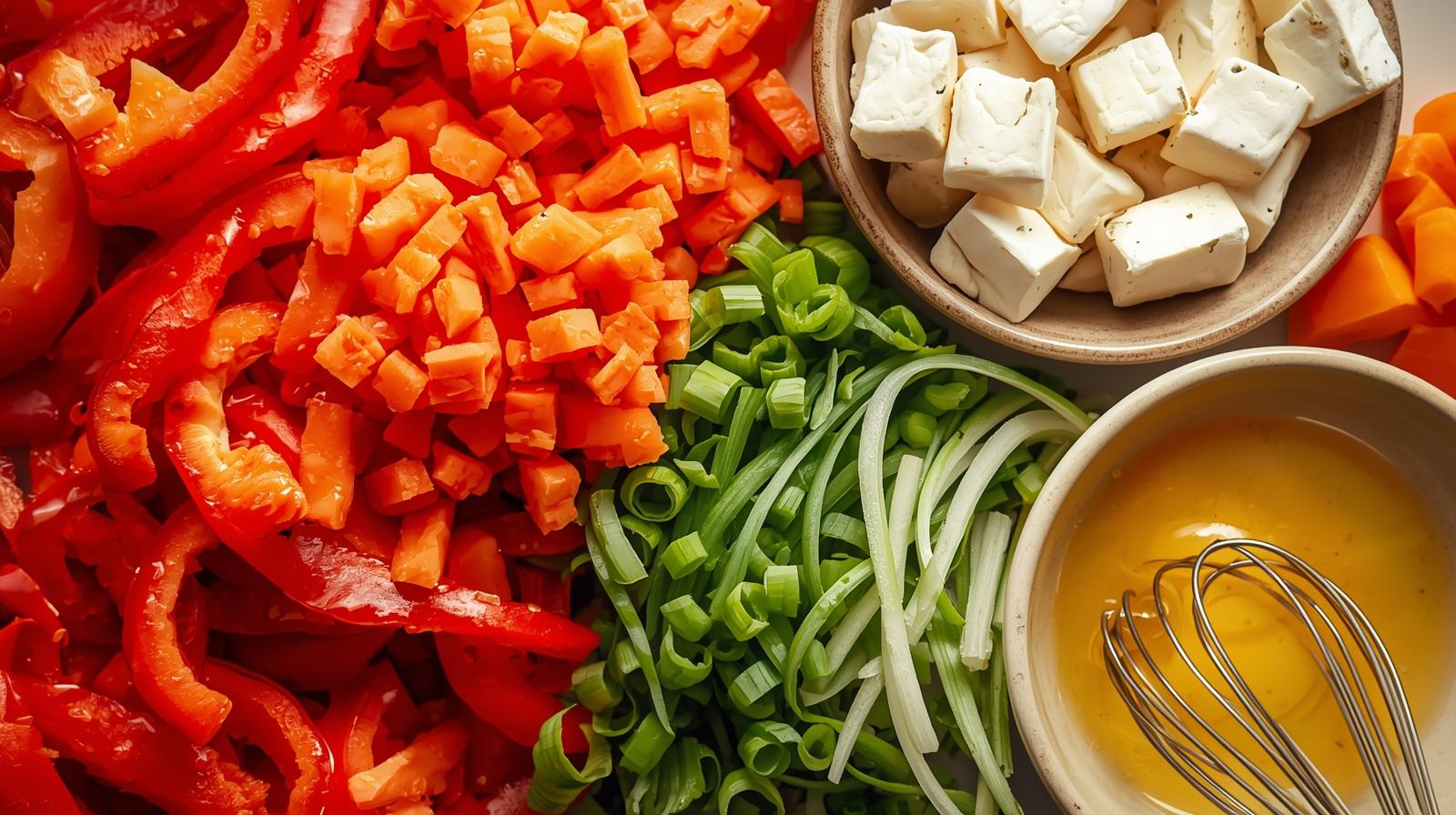 Feel free to substitute chicken, shrimp, or beef for tofu.
 -
Prepare Noodles
Soak the rice noodles in warm water for about 20-30 minutes until they are pliable but still firm. Drain and set aside.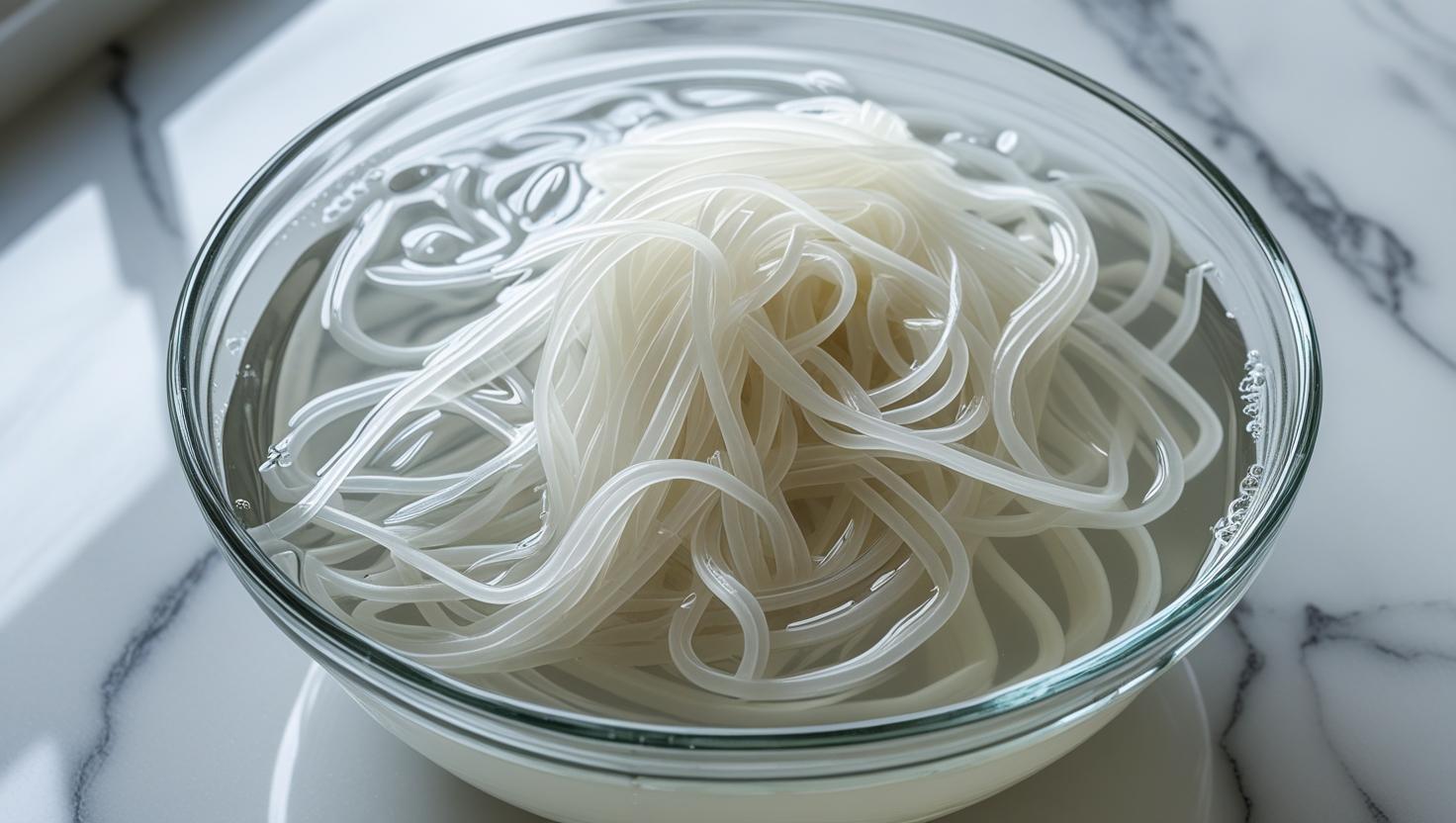 Make sure not to over-soak the noodles, as they will cook further in the stir-fry.
Make the Pad Thai Sauce
-
Mix Sauce Ingredients
In a small bowl, whisk together soy sauce, tamarind paste, fish sauce, lime juice, and brown sugar until well combined.
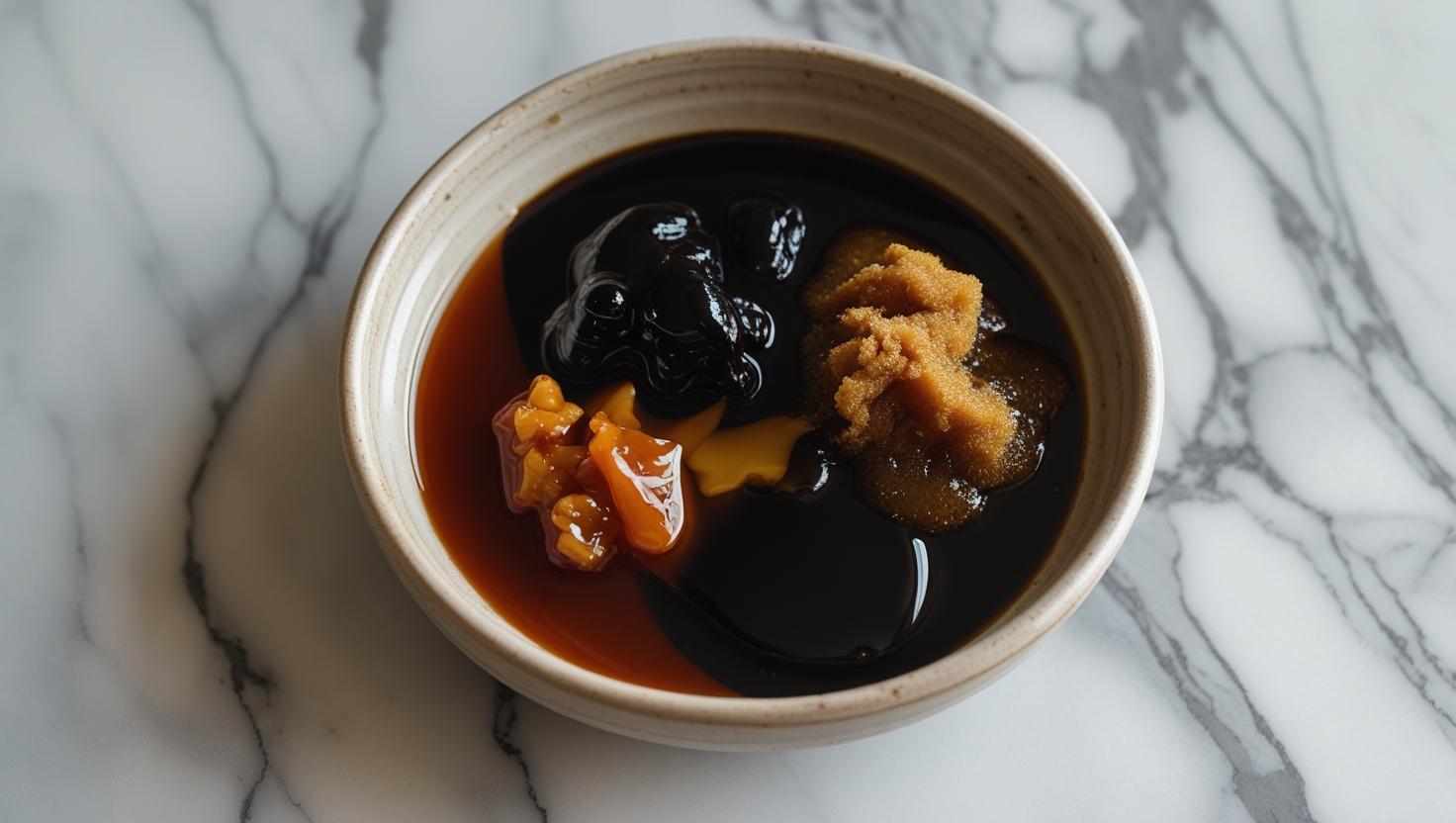 Adjust the sweetness or tanginess by adding more sugar or lime juice to suit your taste.
Cook the Pad Thai
-
Stir-Fry Ingredients
Heat oil in a wok or large skillet over medium-high heat. Add garlic and stir until fragrant. Add tofu and stir-fry until lightly browned.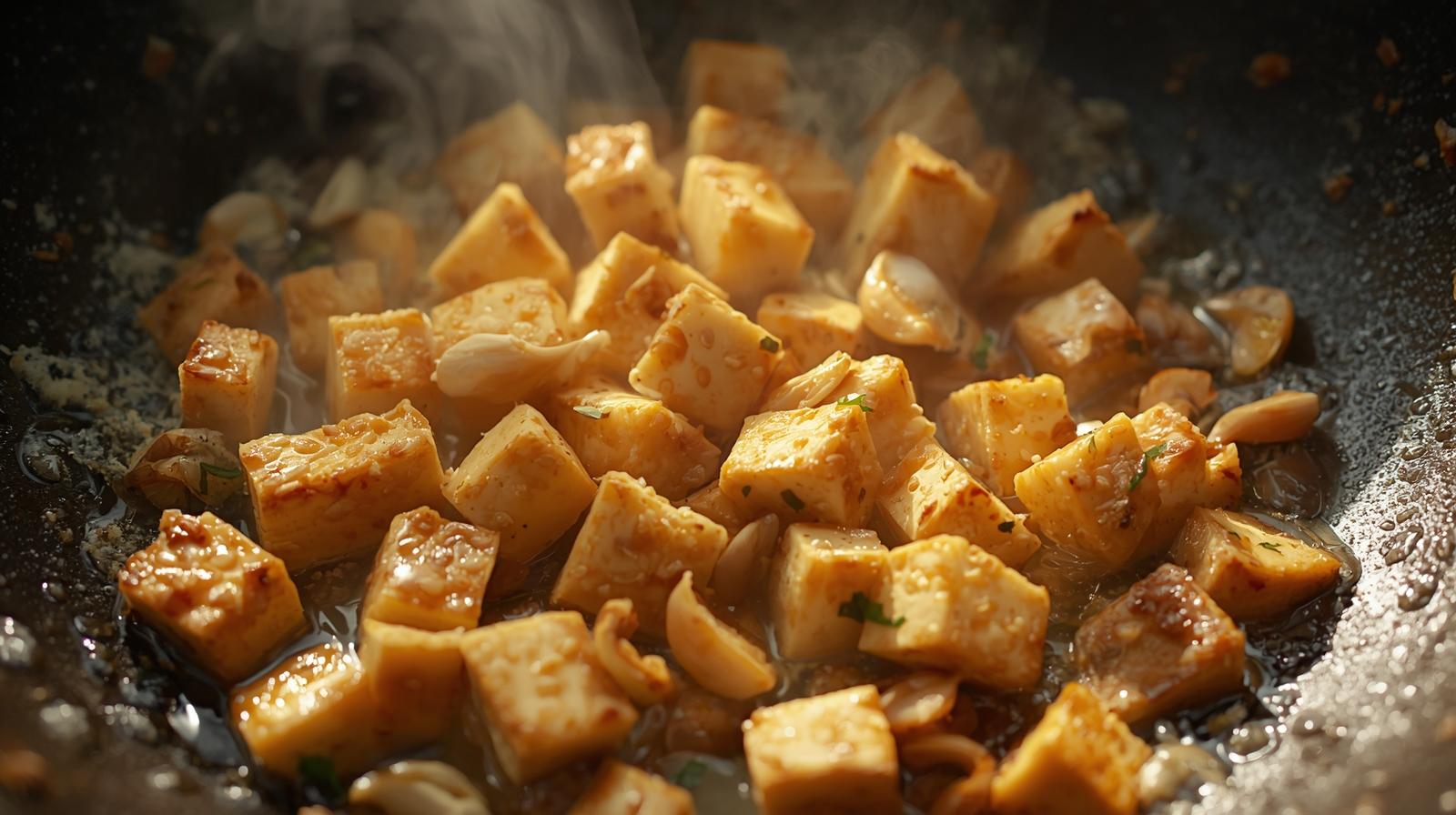 Cook meat separately before adding it back into the stir-fry at the end.
 -
Add Vegetables and Eggs
Push tofu to the side and pour beaten eggs into the pan. Scramble until just set, then mix with tofu. Add bell peppers, carrots, and half of the green onions. Stir-fry for a few minutes.
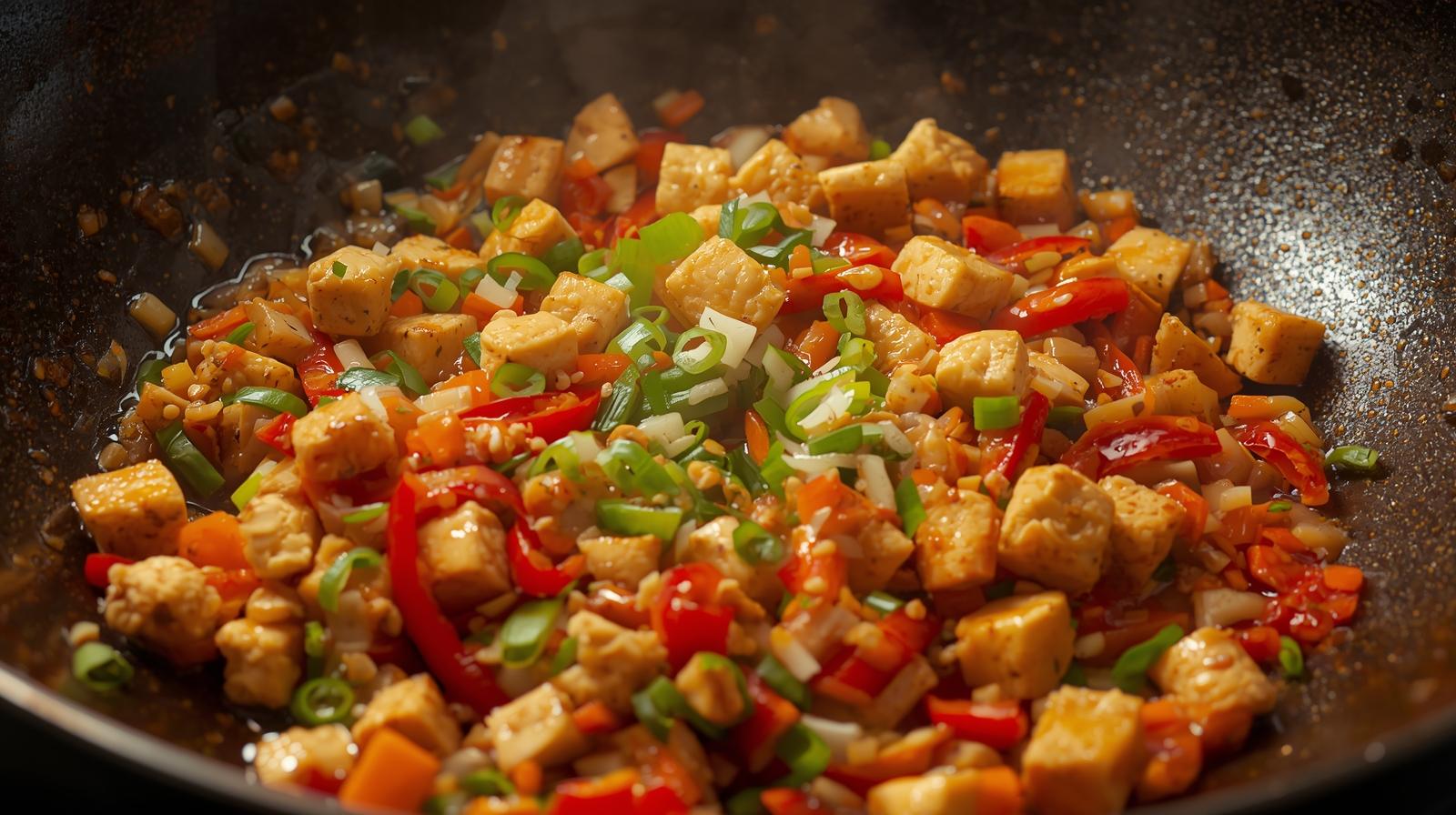 Keep the vegetables crisp-tender for a vibrant texture.
 -
Incorporate Noodles and Sauce
Add the soaked noodles and Pad Thai sauce to the pan. Toss everything together until well combined and heated through.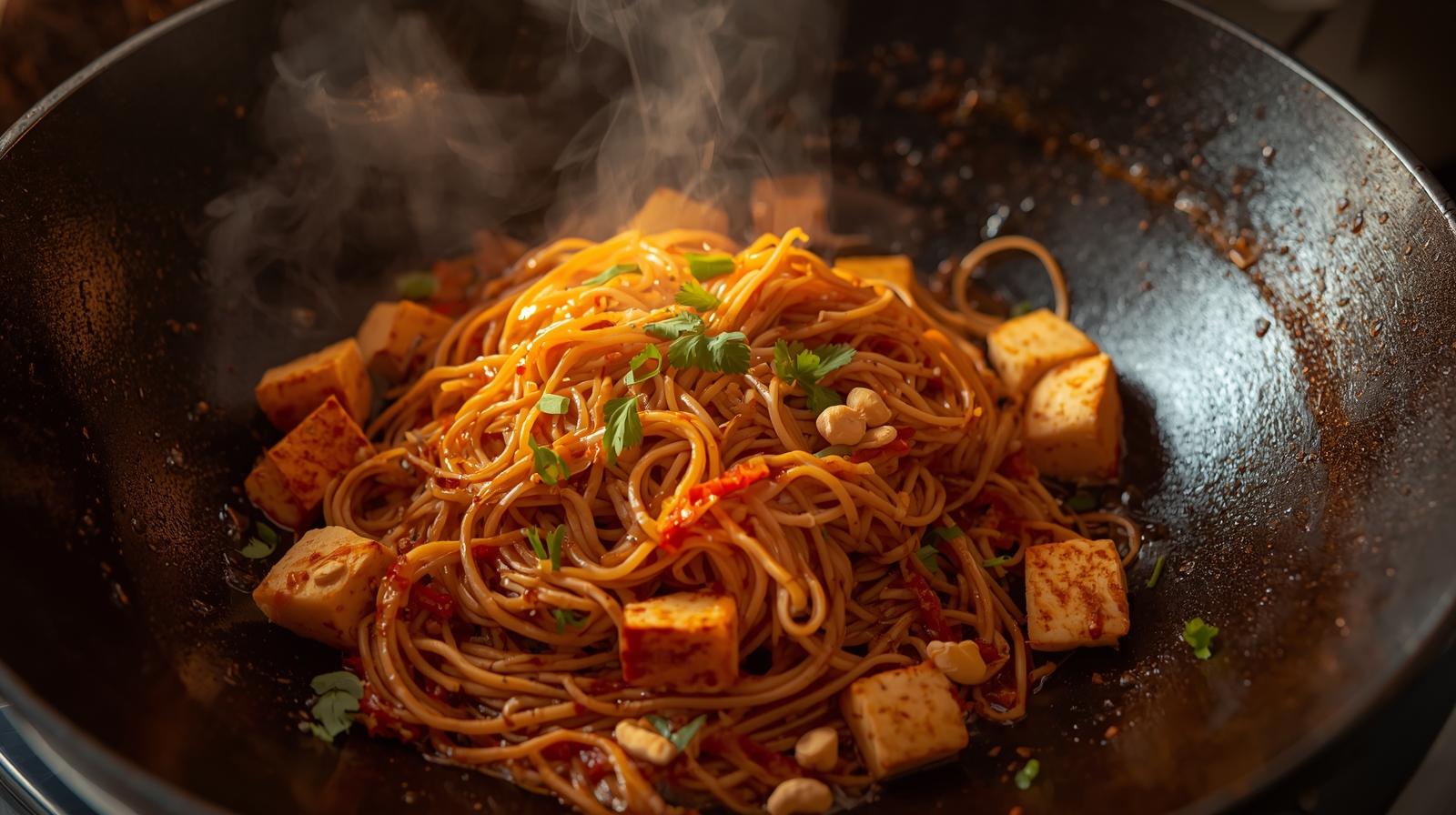 Use tongs to gently mix the noodles with the sauce to prevent breakage.
Serve and Garnish
-
Plate and Garnish
Transfer the Pad Thai to serving plates. Garnish with bean sprouts, crushed peanuts, remaining green onions, and lime wedges. Serve hot.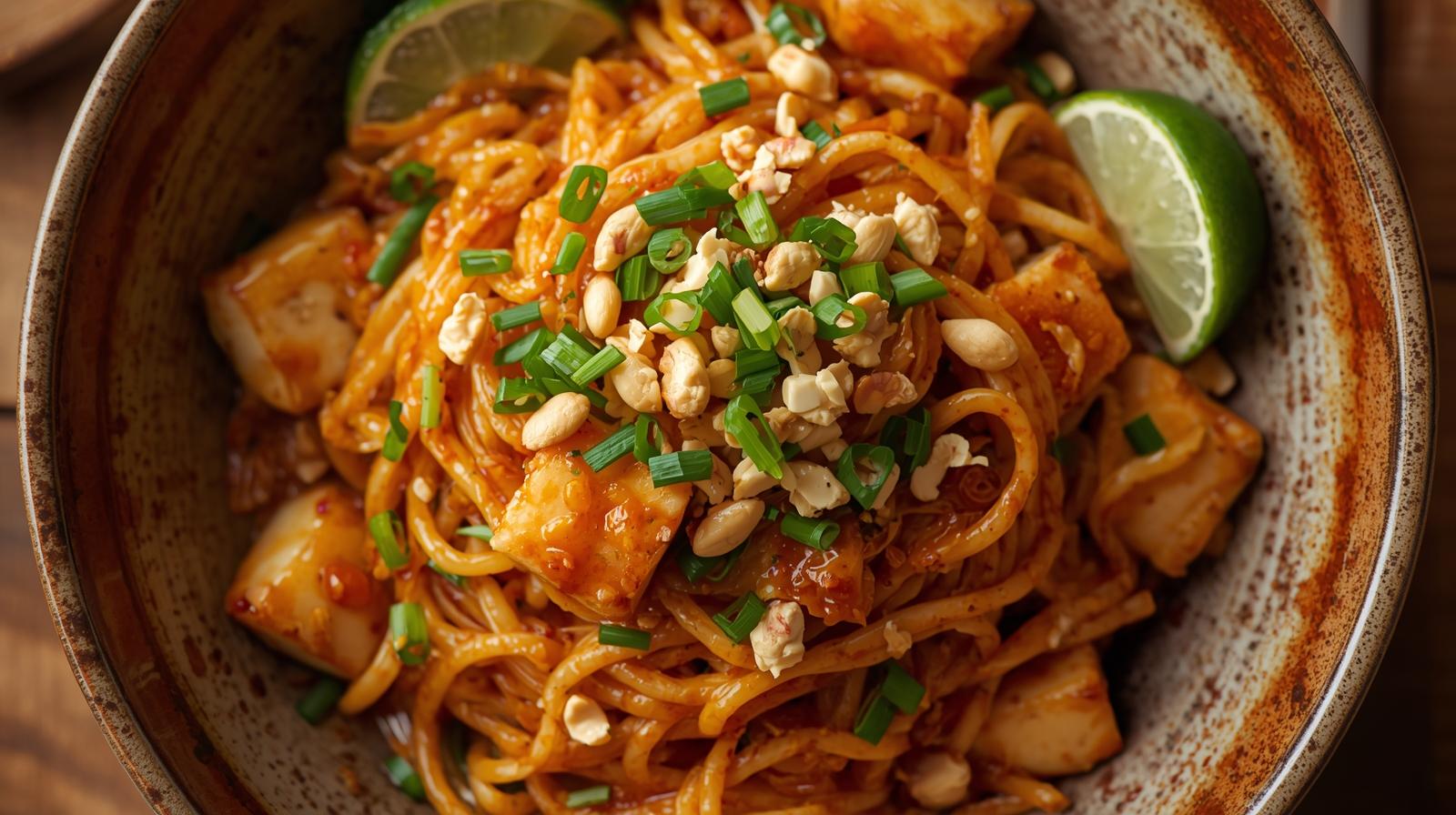 Feel free to add a sprinkle of chili flakes for extra heat.
Note
- Use tamarind paste for the authentic tangy flavor in the Pad Thai sauce.
- Adjust the spice level by adding more or less chili flakes or fresh chilies.
- Customize with your favorite protein like shrimp, chicken, tofu, or a combination.
- Garnish with crushed peanuts, fresh cilantro, and a squeeze of lime for added freshness.
- Soak the rice noodles according to package instructions for the perfect texture.
- Stir-fry the ingredients on high heat for that classic wok aroma and flavor.
- Feel free to add more vegetables like bean sprouts, bell peppers, or broccoli for extra crunch and nutrition.
- Make it vegetarian by omitting the fish sauce and using soy sauce or tamari instead.
- Leftovers can be stored in an airtight container in the refrigerator for up to 2 days.



