

Buttermilk pancakes are a classic breakfast favorite that never fails to bring comfort and joy to the table. The fluffy texture, tangy flavor, and golden-brown perfection of these pancakes make them a beloved treat for all ages. In this detailed introduction, we will explore the origins of buttermilk pancakes, their cultural significance, the unique ingredients that make them stand out, and the cooking techniques that ensure a perfect stack every time.
Origin and History
Buttermilk pancakes have a rich history that dates back to early American settlers who utilized ingredients like buttermilk, a byproduct of butter production, to create delicious and hearty breakfast dishes. The use of buttermilk in pancakes not only adds a slight tanginess but also contributes to a tender crumb and moist texture. Over the years, buttermilk pancakes have become a staple in American breakfast culture, often served with a generous drizzle of maple syrup, a pat of butter, or a sprinkle of fresh berries.
Cultural Significance
In American culture, pancakes have been a symbol of warmth, home, and togetherness. Whether enjoyed on lazy Sunday mornings with family or as a quick and satisfying meal during busy weekdays, buttermilk pancakes hold a special place in the hearts of many. The act of flipping pancakes on a griddle, waiting for the bubbles to form, and savoring the aroma of freshly cooked batter evokes feelings of nostalgia and comfort.
Unique Ingredients and Flavors
The key ingredient that sets buttermilk pancakes apart from traditional pancakes is, of course, buttermilk. This slightly acidic liquid not only adds a pleasant tang to the pancakes but also reacts with baking soda to create air bubbles, resulting in a light and airy texture. In addition to buttermilk, a combination of flour, eggs, sugar, butter, baking powder, and a pinch of salt forms the base of this delectable breakfast dish.
Buttermilk pancakes offer a delightful balance of flavors—sweet, tangy, and buttery all at once. The subtle acidity from the buttermilk complements the sweetness of maple syrup or the richness of melted butter, creating a harmonious symphony of tastes with each bite. The golden-brown crust that forms on the pancakes adds a hint of caramelization, enhancing the overall flavor profile and providing a satisfying crunch.
Cooking Techniques
To achieve the perfect stack of buttermilk pancakes, mastering a few key cooking techniques is essential. Preheating the griddle or skillet until it’s hot but not smoking ensures that the pancakes cook evenly and develop a beautiful golden color. Using a ladle or measuring cup to portion out the batter helps maintain uniform pancake sizes, resulting in a visually appealing presentation.
When cooking the pancakes, it’s crucial to wait for bubbles to form on the surface before flipping them. This indicates that the pancakes are ready to be turned and ensures that they cook through without becoming too dark. Avoid pressing down on the pancakes with the spatula, as this can deflate the air bubbles and lead to denser pancakes. Instead, let them puff up naturally for that coveted light and fluffy texture.
Frequently Asked Question: How to Store Leftover Buttermilk Pancakes
If you happen to have leftover buttermilk pancakes, fear not! You can store them in an airtight container in the refrigerator for up to 2-3 days. To reheat, simply place the pancakes in a toaster, toaster oven, or microwave until warmed through. For an extra touch of indulgence, consider topping reheated pancakes with a dollop of whipped cream, a drizzle of chocolate sauce, or a sprinkle of cinnamon sugar.
Conclusion: Embrace the Comfort of Buttermilk Pancakes
Buttermilk pancakes are more than just a breakfast dish—they’re a warm embrace on a chilly morning, a moment of tranquility in a busy day, and a reminder of the simple pleasures in life. So, gather your ingredients, heat up the griddle, and let the aroma of buttermilk pancakes fill your kitchen with joy. Whether you enjoy them plain, with a generous pour of syrup, or topped with your favorite fruits, savor each bite and relish in the comfort that these pancakes bring. Experiment with different toppings, try adding a hint of cinnamon or nutmeg to the batter, and make this recipe your own. Share your creations with loved ones, create new memories around the breakfast table, and bask in the delight of buttermilk pancakes.


Buttermilk Pancakes
Description
Classic buttermilk pancakes that are light, airy, and irresistibly delicious.
Ingredients
Main Ingredients
Optional Toppings
Instructions
Preparing the Batter
-
Mixing Dry Ingredients
In a large bowl, whisk together 2 cups of all-purpose flour, 2 tablespoons of sugar, 1 teaspoon of baking powder, 1/2 teaspoon of baking soda, and a pinch of salt.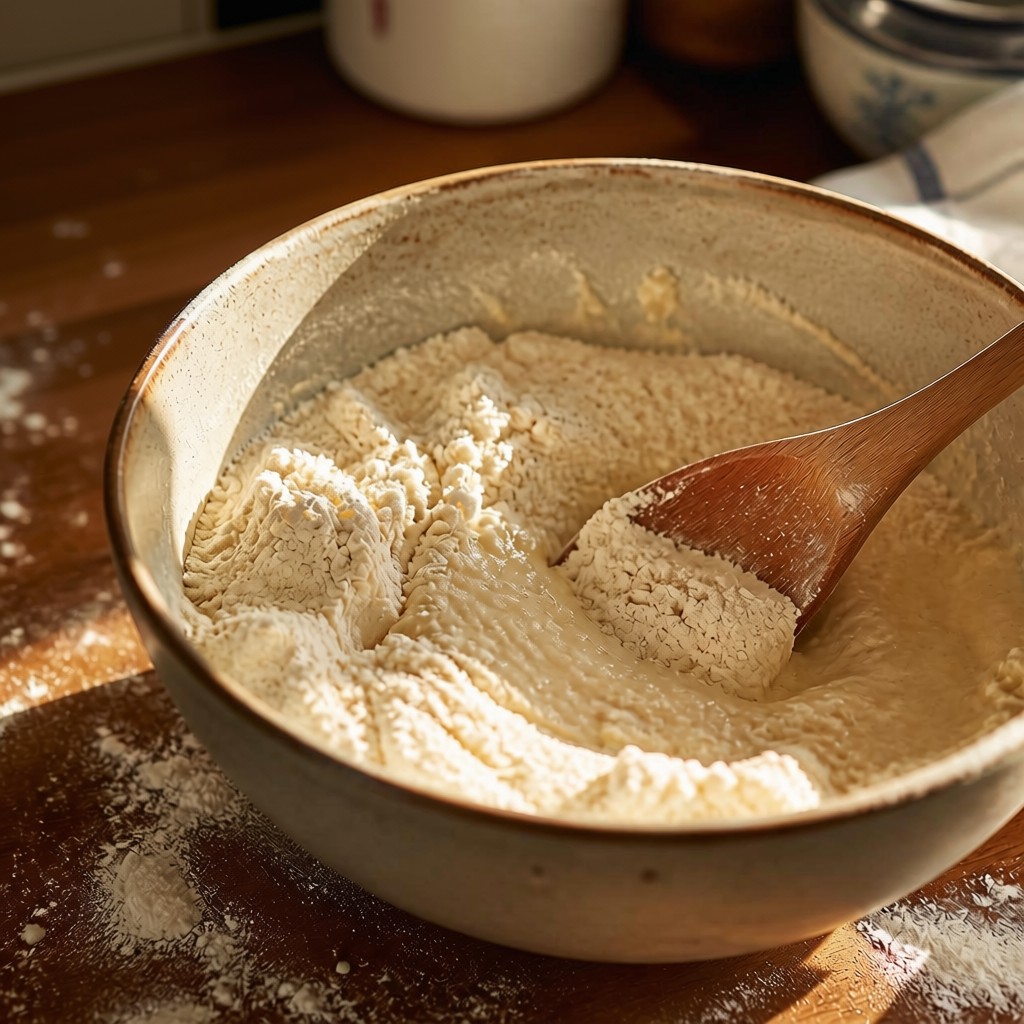 Sifting the dry ingredients can help create a lighter texture.
 -
Combining Wet Ingredients
In a separate bowl, whisk together 2 cups of buttermilk, 2 eggs, and 1/4 cup of melted butter until well combined.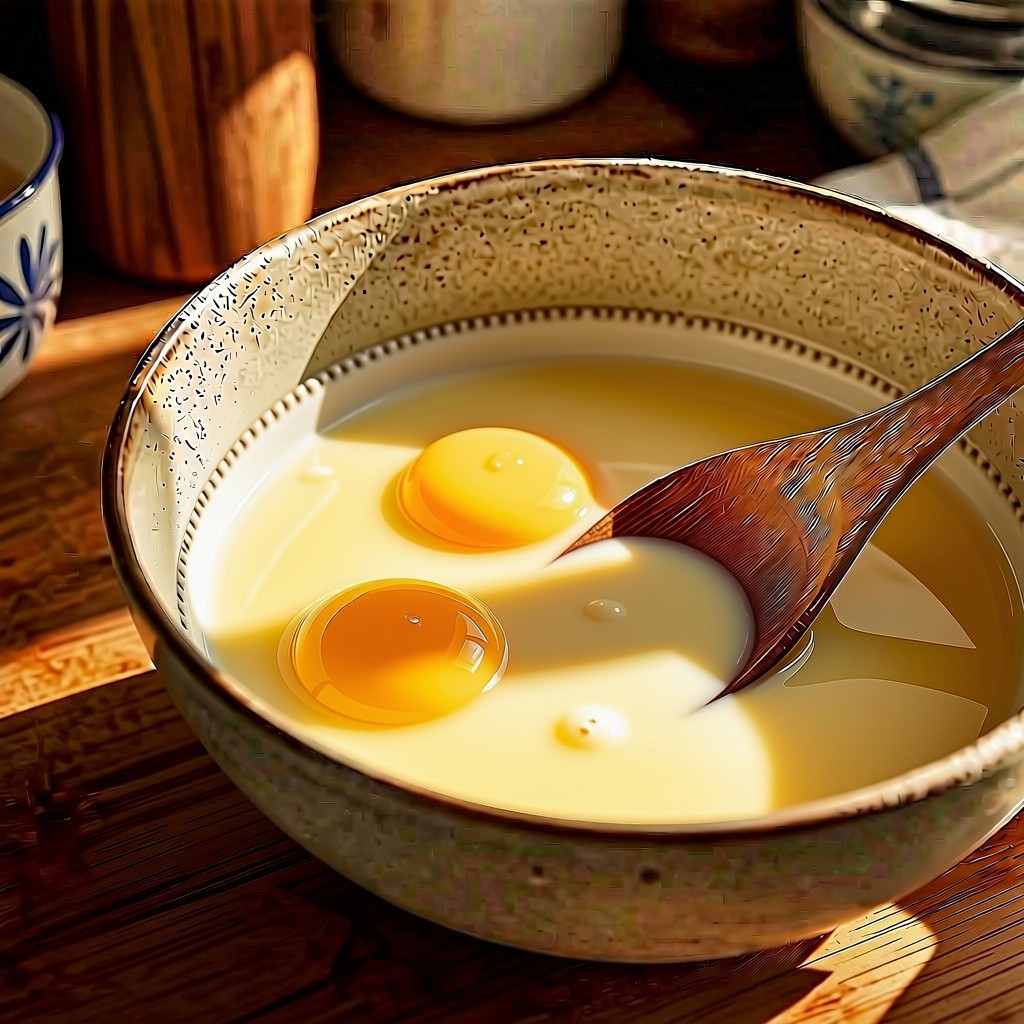 For extra fluffiness, let the buttermilk and eggs come to room temperature before mixing.
 -
Mixing Batter
Pour the wet ingredients into the dry ingredients. Stir gently until just combined. It's okay if the batter is slightly lumpy.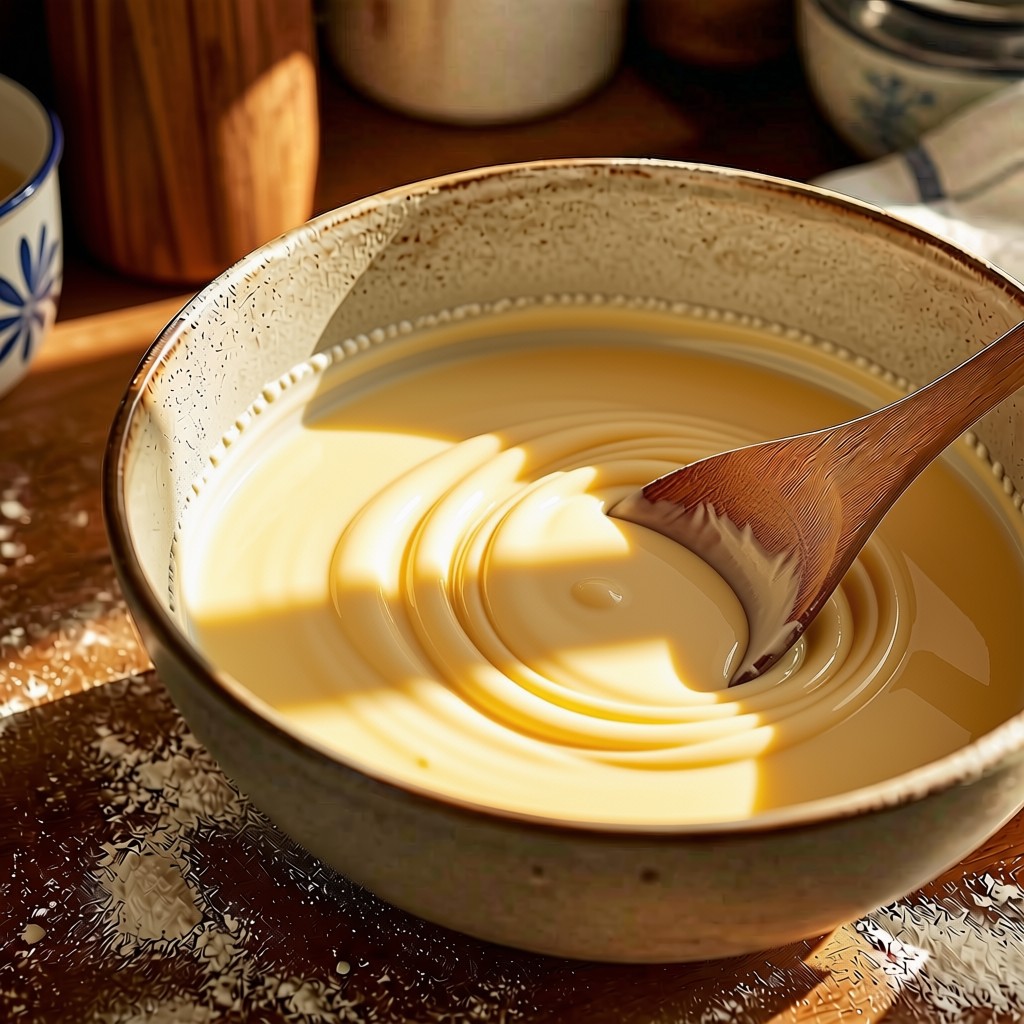 Overmixing will result in tough pancakes, so a few lumps are good!
Cooking the Pancakes
-
Preparing the Griddle
Heat a non-stick griddle or skillet over medium heat. Test if it's ready by sprinkling a few drops of water on it; they should dance and evaporate. Lightly grease the griddle with butter or cooking spray. Cook one side of pancakes until bubbles form. Flip and cook second side until golden brown.
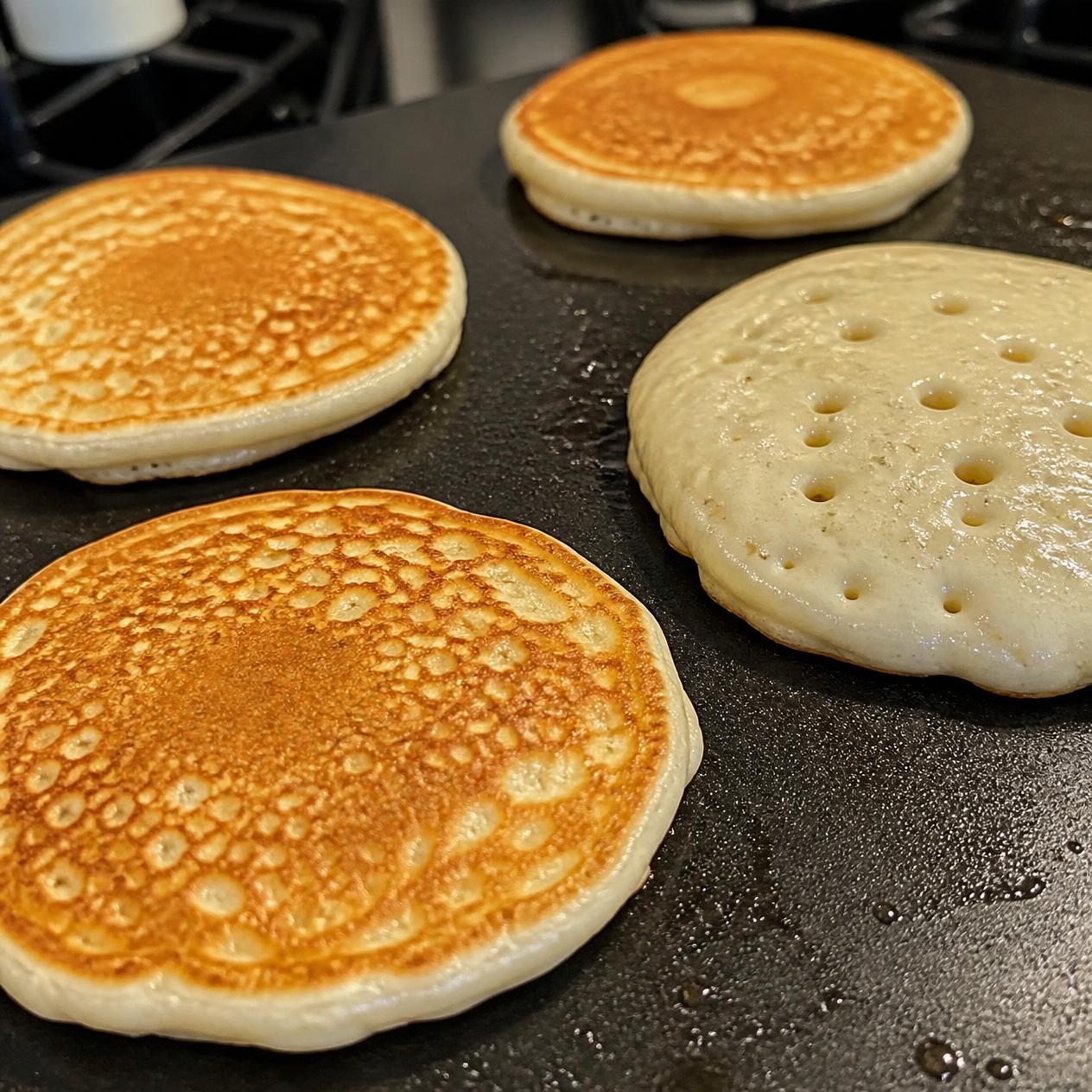 This can also be done in a skillet.
Serving and Enjoying
-
Serving Suggestions
Serve the pancakes warm with maple syrup, butter, fresh fruits, or whipped cream.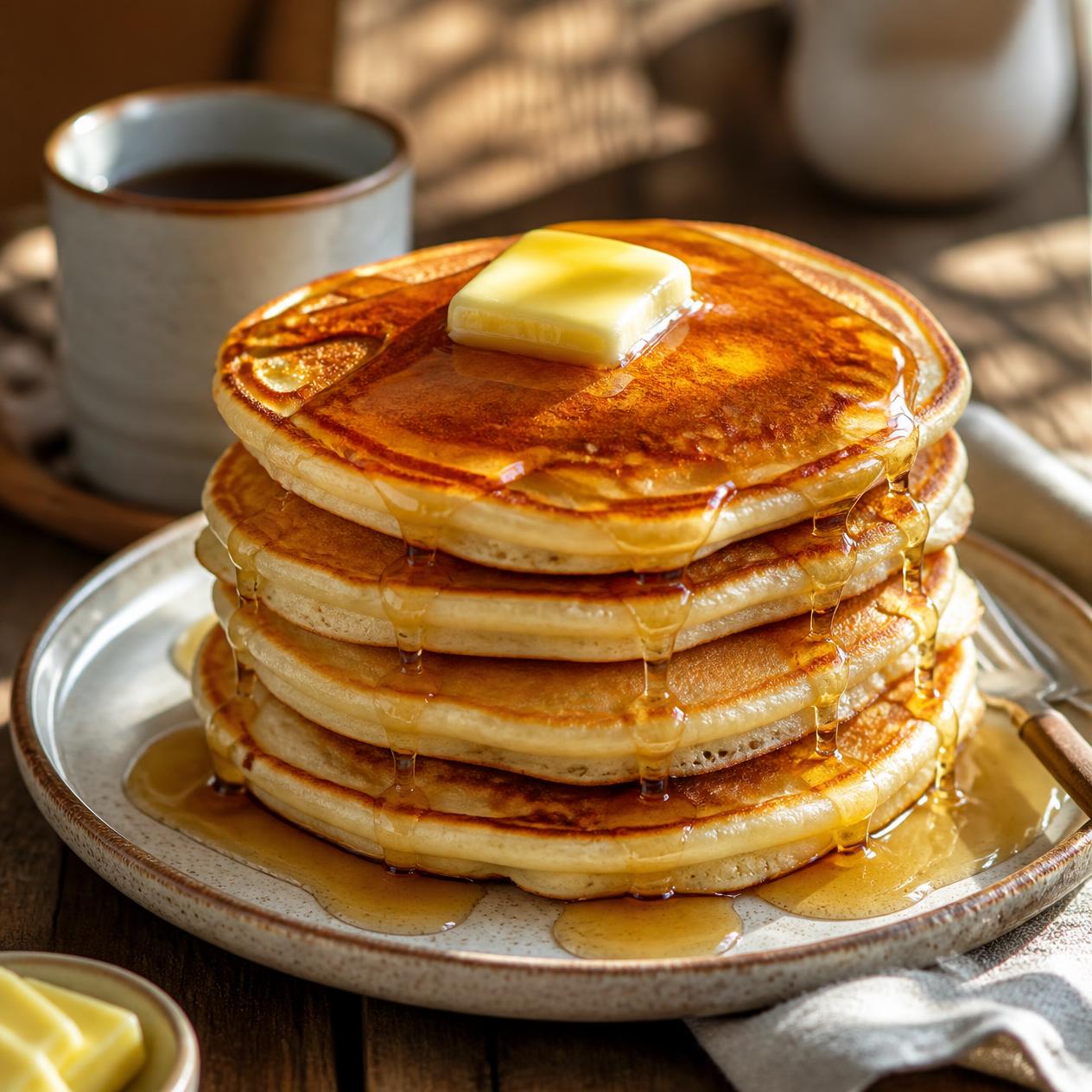
-
Storage Tips
Leftover pancakes can be stored in an airtight container in the refrigerator for up to 2 days or frozen for longer storage.
Note
- For extra fluffy pancakes, avoid overmixing the batter. A few lumps are okay.
- Let the batter rest for 5-10 minutes before cooking to allow the ingredients to meld.
- Adjust the consistency of the batter by adding more buttermilk if it's too thick or more flour if it's too thin.
- Use a well-seasoned cast-iron skillet or non-stick pan for even browning.
- Cook the pancakes over medium heat and flip them when bubbles form on the surface.
- Keep cooked pancakes warm in a 200°F oven while you finish cooking the rest.
- Serve with maple syrup, fresh berries, whipped cream, or any toppings of your choice.
